Author: anna gotskind

  • Spice Up Your Language Lessons: 3 Fall Tips for Fun and Learning 
    Spice Up Your Language Lessons: 3 Fall Tips for Fun and Learning 

    At Rise Education, we know how important it is to keep students engaged throughout the school year. As we transition into autumn, there are countless opportunities for teachers to create immersive, culturally rich experiences. Here are some strategies to help you weave fall themes into your language teaching! 

    1. Incorporate Seasonal Vocabulary and Conversations 

    Take advantage of the changing weather and upcoming holidays by introducing fall-themed vocabulary. Words like “leaves,” “pumpkin,” and “sweater” are not only fun but also relatable for students. Encourage them to use these new words in conversations through role-playing activities, oral presentations, or written assignments. This not only enhances their vocabulary but also makes learning feel relevant. 

    2. Celebrate Cultural Traditions 

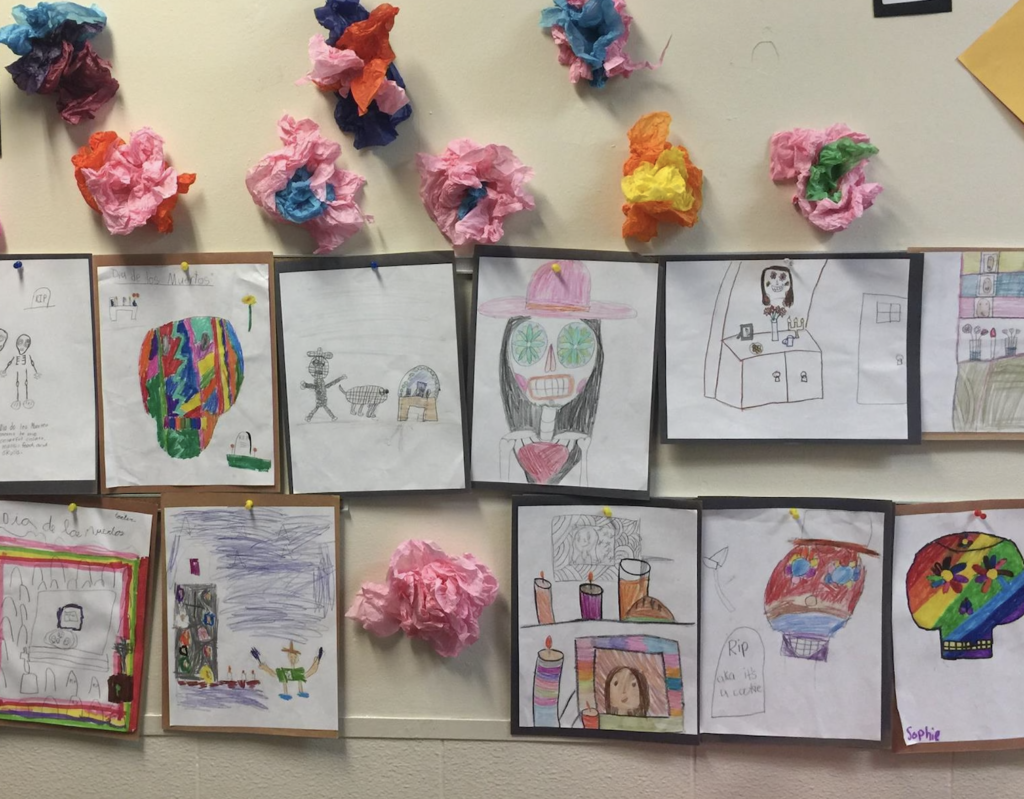
    Autumn is a season rich in cultural celebrations around the world, from Día de los Muertos in Mexico to Thanksgiving in the United States. Use these holidays as opportunities to teach your students about diverse cultural practices while developing their language skills. Consider assigning projects where students research a specific fall tradition and present their findings in the target language. This approach fosters appreciation for cultural diversity while enhancing language proficiency. 

    3. Engage with Interactive Fall-Themed Activities 

    Keep your lessons dynamic by incorporating hands-on fall-themed activities. Host a cooking demonstration where students follow a recipe, such as pumpkin pie or spiced apple cider. Other ideas include designing fall-themed posters in the target language, creating seasonal crafts, or staging mini skits related to fall traditions. These activities bring the language to life, ensuring students actively participate and apply what they’ve learned, all while enjoying the season. 

  • 5 Reasons Why Children Should Learn a Second Language

    5 Reasons Why Children Should Learn a Second Language

    Language is a vital part of human culture. From the melodious tones of Mandarin to the rhythmic cadence of Spanish, each language encapsulates the essence of its respective culture, providing a distinctive lens into the minds of its speakers.

    Through learning multiple languages, children are not only able to expand their communication skills but also gain a broader understanding of the world around them. From the cultural understanding to cognitive benefits and enhanced problem solving skills, there are countless benefits to embracing multilingualism at a young age.

    1. Cultural Understanding: Language serves as the cornerstone of any culture. By learning a second language, children gain invaluable insights into different cultures, fostering empathy, tolerance, and a broader worldview.
    2. Early Advantage: In one of the largest language studies ever conducted, involving over 600,000 participants, researchers found that the ideal time for children to begin learning a language is before the age of 10. This early start offers the greatest potential for achieving native-like grammatical fluency.
    3. Multilingual Advantage: Speaking more than one language opens doors to enhanced communication and collaboration in an increasingly globalized society. Bilingual individuals not only expand their career prospects but also enrich their social and cultural networks.  
    4. Brain Health: Learning a second language can be a powerful defense against Alzheimer’s disease. Studies have shown that bilingual individuals experience delayed onset of Alzheimer’s symptoms by an average of four years compared to monolinguals, highlighting the cognitive benefits of bilingualism.  
    5. Critical Thinking Skills: Learning a second language is a mental workout that strengthens critical thinking, problem-solving, and creativity. Studies consistently demonstrate that bilingual individuals exhibit enhanced cognitive abilities and adaptability, essential skills in today’s rapidly changing world. 


Introducing

RISE Education

Formerly

Little Linguists Arts Academy

Same ownership, same leadership, but a new brand name to reflect the broad range of services we provide